

- This event has passed.
Native Plant Sale at Hilltop Hanover Fram
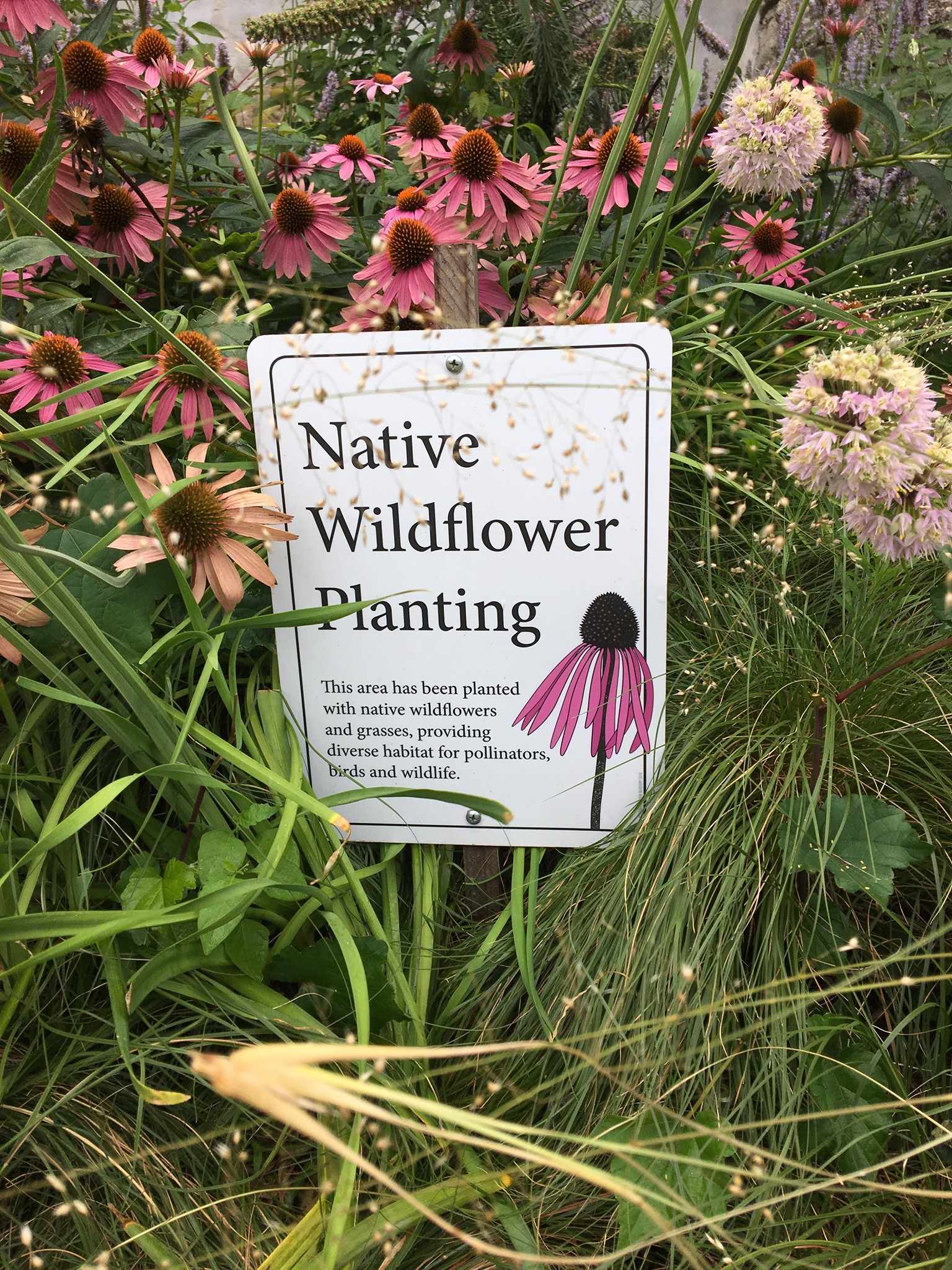
Looking to incorporate more native plants into your yard? Stop by the Hilltop Hanover Farm’s Farm Stand on Saturday, September 26 from 10am to 4pm to purchase our farm-grown native plants. Plants will be available as ready to plant plugs. (Rain date: Sunday, September 27th)
About the Native Plant Program…
The Native Plant Program at Hilltop Hanover Farm is a farm-based initiative focused on strengthening and expanding local biodiversity by increasing the number of ecotype plants available in the community. Our native plant nursery specializes in seed-propagated, local ecotype species, native to our region. Starting with quality seed, grown here at the farm, and by using all organic practices, we produce healthy seedlings that foster biodiversity.
Why Plant Native Plants?
Westchester lands, including forests, wetlands, meadows on both public and private spaces, are under threat. Depleted soil, new plant diseases and invasive species are taking a tremendous toll—as are the combined pressures of climate change, pollution and development. Preserving and expanding areas where native plants are grown is a powerful way to combat these overarching environmental threats, while also supporting animal and insect populations that are essential to a healthy ecosystem. Highly biodiverse ecosystems are more resilient and adaptable; they improve the soil, prevent erosion, protect against flooding, lower temperatures at the ground, and clean the air.
Pricing Coming Soon… (check link below)
Individual ready to plant plugs
Build your own nursery flat (50 plugs)
Species List Coming Soon… (check link below)
Hilltop Hanover Farm and Environmental Center is a historic and working farm dating back to the 18th century, owned and operated by Westchester County and supported by the Friends of Hilltop Hanover Farm and Environmental Center, Inc. Spanning 187 acres, Hilltop Hanover Farm is dedicated to the development and advancement of sustainable agriculture, environmental stewardship, community education, and accessible food systems for all, with a minimum 25% of produce grown being donated to food access partners.