

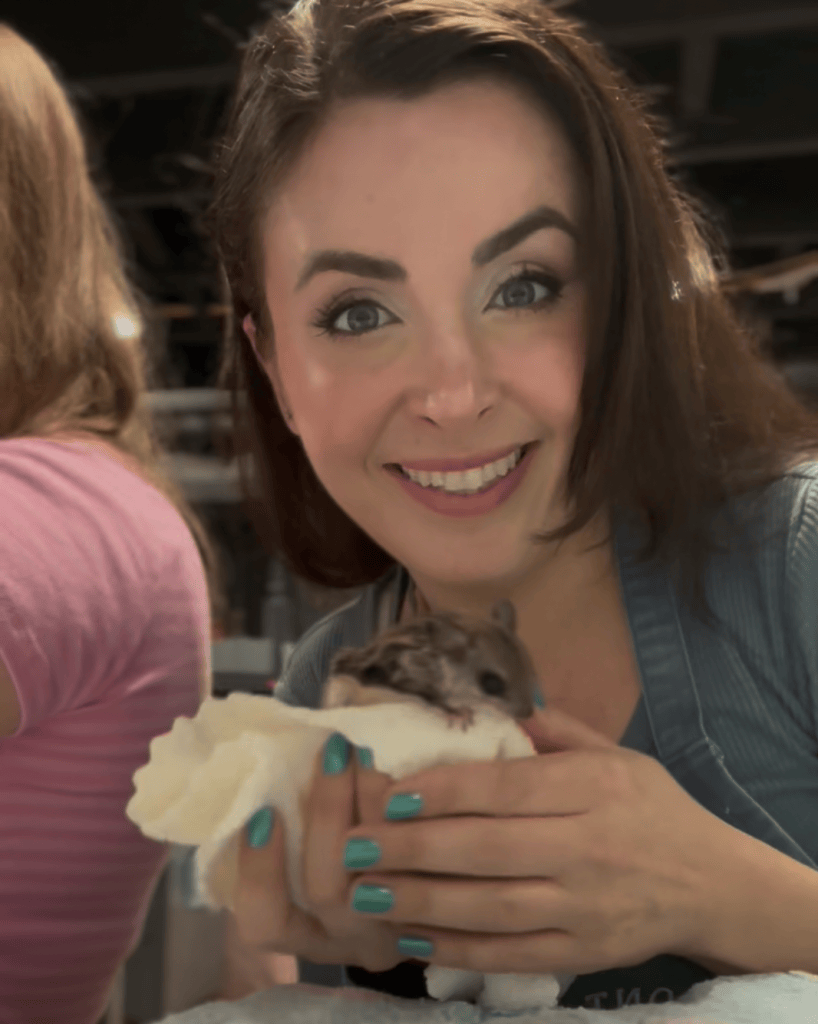
Giving Rye is a feature series highlighting non-profits and community groups in and around the City of Rye. Today meet Briggitte Dix of Cottontail Cottage Wildlife Rehab.
Your Name: Briggitte Dix
Name of your organization: Cottontail Cottage Wildlife Rehab
Your title: Founder & Director
MyRye.com: What is your mission?
Dix: Cottontail Cottage Wildlife Rehab’s mission is to rescue, rehabilitate, and release injured, orphaned, and sick wildlife. We also help our community learn how to coexist with the wild animals who share our neighborhoods, with the goal of keeping wildlife wild.
How long have you operated in or around Rye?
Dix: We’ve been serving Rye and the surrounding area for about five years, since 2021. Cottontail Cottage Wildlife Rehab is based in Rye Brook and serves communities throughout Westchester and the Lower Hudson Valley.
What programming or work is the organization best known for?
Dix: Cottontail Cottage is best known for rescuing, rehabilitating, and releasing injured and orphaned wildlife, especially small mammals, bats, and butterflies. We also help people respond to wildlife encounters and find humane ways to coexist with the animals who share our communities.
- Wildlife rehabilitation: we care for injured, sick, and orphaned cottontails, squirrels, opossums, bats, and other small mammals, with the goal of releasing them back into the wild whenever possible. We also help injured butterflies, including repairing damaged wings when possible so they can be released.
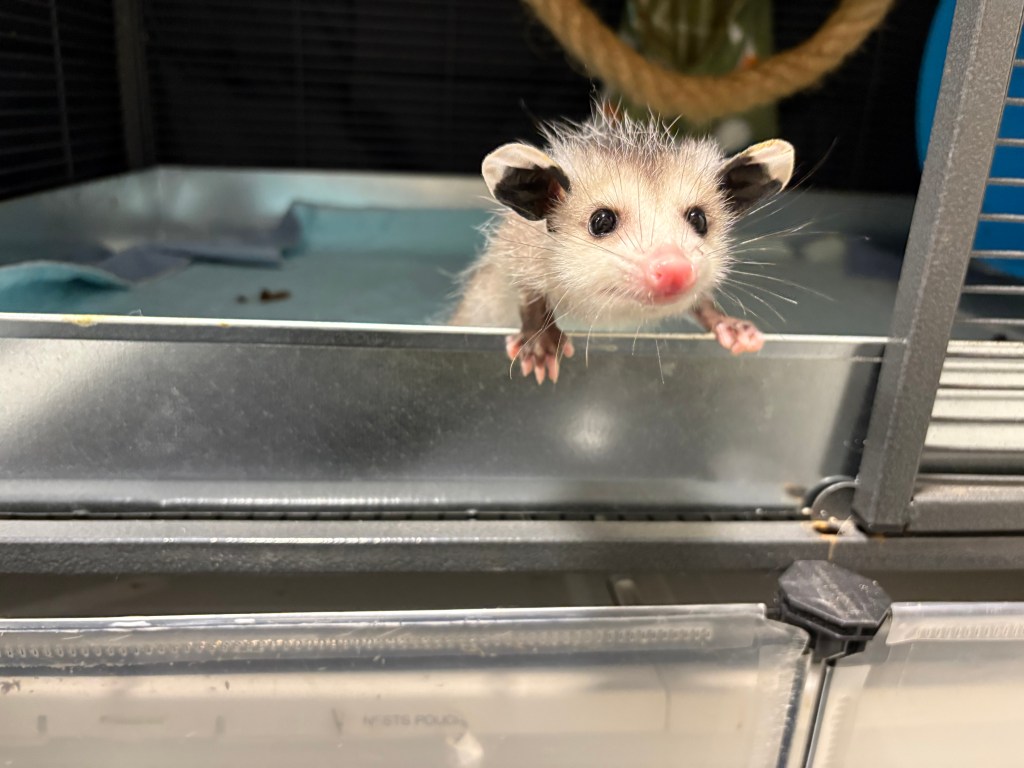
- Wildlife hotline and community guidance: our text-first hotline helps people figure out what to do when they find an animal in need, including when it should be left with its parents, brought to a rehabilitator, or referred elsewhere. We offer guidance year-round and connect finders with transport and veterinary resources when needed.
- Manage support and coexistence education: We help community members respond to mange in foxes and coyotes with treatment resources and practical guidance, while sharing humane ways to reduce conflict with wildlife. This work is available throughout the year, with mange cases often becoming more noticeable in colder months.
Looking forward to 2027, what will be your top initiatives?
Dix: In 2027, we hope to grow Cottontail Cottage’s capacity to care for local wildlife and connect more people with practical ways to help. Our priorities are securing a dedicated facility, expanding community education, and preparing to rehabilitate select bird species.
Secure a dedicated facility: we hope to find and move into a facility that will let us care for more animals and expand our services. We’ll be working to build donor support to make that possible.
Expand education programs: we plan to offer more opportunities for the community to learn about local wildlife, what to do when an animal needs help, and how to coexist with wildlife.
Prepare to rehabilitate birds: we hope to begin caring for select bird species, with a focus on hummingbirds and owls. This will depend on securing the necessary permits and having the right resources and setup in place.
Looking five years ahead, what is your biggest hope—and your greatest concern—for the constituency and sector you serve?
Dix: Our biggest hope is to grow into a dedicated facility and inspire more people to care about the wildlife living right here in their communities. We hope that care will grow into advocacy: people speaking up for wildlife, protecting habitat, and supporting humane ways to coexist. Our greatest concern is that habitat loss and human-wildlife conflicts will keep increasing while wildlife rehabilitators have limited space, funding, and volunteer capacity to respond.
How does your organization partner with local businesses, schools, or municipal agencies to amplify your impact?
Dix: We partner with local police departments, libraries, and businesses to help residents learn about our work and connect people with wildlife resources. Through community outreach and educational presentations, we share practical guidance on helping local wildlife and living alongside it.
Tell us about the population you serve and engage with your programming and services.
Dix: We primarily serve residents of Westchester County, including Rye and Rye Brook, and assist people in New York City and the Lower Hudson Valley. Our services support both the people who find wildlife in need and the wild animals themselves, including injured or orphaned small mammals, bats, and butterflies. We also engage community members who want to learn how to help wildlife and coexist with it in their neighborhoods.
– Wildlife hotline: we offer practical guidance to people who find an animal and help connect them with rehabilitation, veterinary, or transport resources when needed.
– Wildlife rehabilitation: we care for injured, sick, and orphaned wildlife with the goal of releasing them back into the wild whenever possible.
– Community education: we share information about local wildlife, humane coexistence, and ways people can help protect the animals who live around them.

Are you a 501(c)(3) non-profit with tax exempt status?
Dix: Yes.
Looking back across 2026, what were your organization’s top achievements?
Dix: In 2026, we continued caring for injured and orphaned wildlife while expanding our reach and sharing more ways the community can help. We’re proud of the animals we’ve returned to the wild and the new connections we’ve built to support wildlife across the region.
- Rehabilitating and releasing wildlife: we rehabilitated and returned more than 500 animals to the wild this year.
- Expanding our reach: we launched a Dutchess County satellite effort, helping us support more finders and wildlife beyond our immediate area.
- Butterfly care and education: we helped injured butterflies, including repairing a damaged wing so a butterfly could be released. We also shared guidance about butterfly care and wing repair to help more people understand how these delicate animals can be helped.

How can local residents support your organization?
Dix: Becoming a monthly donor is one of the most helpful ways local residents can support us, since reliable contributions help cover the ongoing costs of wildlife care. Residents can also join the Cottontail Club, our snail-mail club for adults and kids; 100% of the proceeds support our wildlife rehab.
Going into 2027, what local Rye residents and area businesses continue to be the longest, steadiest supporters of your organization?
Dix: Our steadiest supporters are local residents who have been with us since the beginning, giving monthly, volunteering, and helping animals get the care and transport they need. We’re especially grateful to North Regent Animal Clinic for being a trusted veterinary partner and to the local residents and businesses who continue to share their support and connections with us.
Tell us about you:
How long have you been in your current role?
Dix: I’ve served as founder and executive director for about five years, since we began operating in 2021. Cottontail Cottage Wildlife Rehab became a 501(c)(3) nonprofit in 2023.
Is the role full time or part time? Paid or volunteer?
Dix: This is a full-time volunteer role, but I do not take a salary. I devote my working time to the organization rather than holding a separate day job, and donations support the animals’ care and the essential costs of running the rehab.
What do you wish more people in our community understood about the people or cause you serve?
Dix: I wish more people understood that wildlife belongs in our neighborhoods and that finding a baby animal doesn’t always mean it’s orphaned or needs to be taken away. When an animal does need help, wildlife rehabbers work hard to give them the specialized care it needs and whenever possible, return them to the wild.
What experience first made your organization’s mission personal to you?
Dix: I grew up in California with wildlife all around me, so caring about animals has always been part of my life. I started my career helping with sea turtle rescue, and that experience made me feel even more strongly that I wanted to spend my life helping wildlife. I still carry that feeling with me in this work, and I’m grateful every day for the chance to help an animal recover and return to the wild.

Director Briggitte Dix monitors the vital signs of a tranquilized black
bear during a federal wildlife research project in Minnesota. Contributed.)
What two or three other nonprofits in and around Rye do you collaborate with the most?
Dix: Among our nonprofit partners, Meals on Main Street has been wonderful, and we’re grateful for their pet food donations. New Rochelle Humane Society is another valued partner in our local animal welfare community. We’ve also appreciated the support of Westchester County legislators and Yonkers Public Library in helping us connect with and educate the community.
Where do you live and how many years have you lived there?
Dix: I live in the Rye Ridge area of Rye Brook and have lived here for 10 years.
Thanks Briggitte!
Learn More: