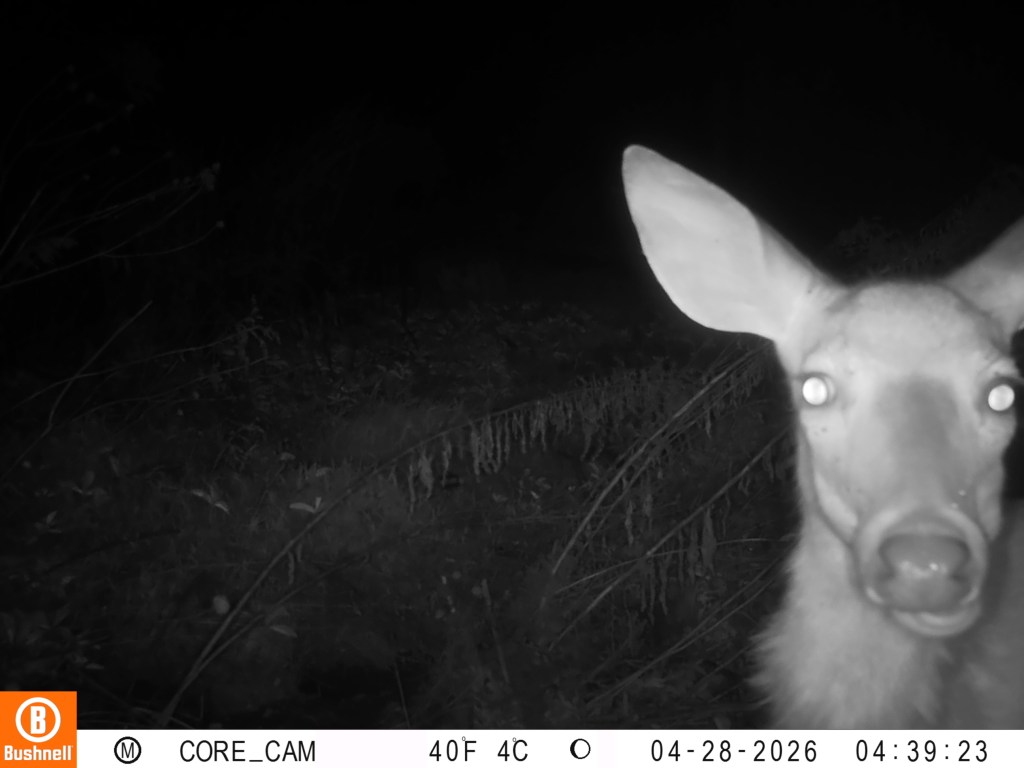

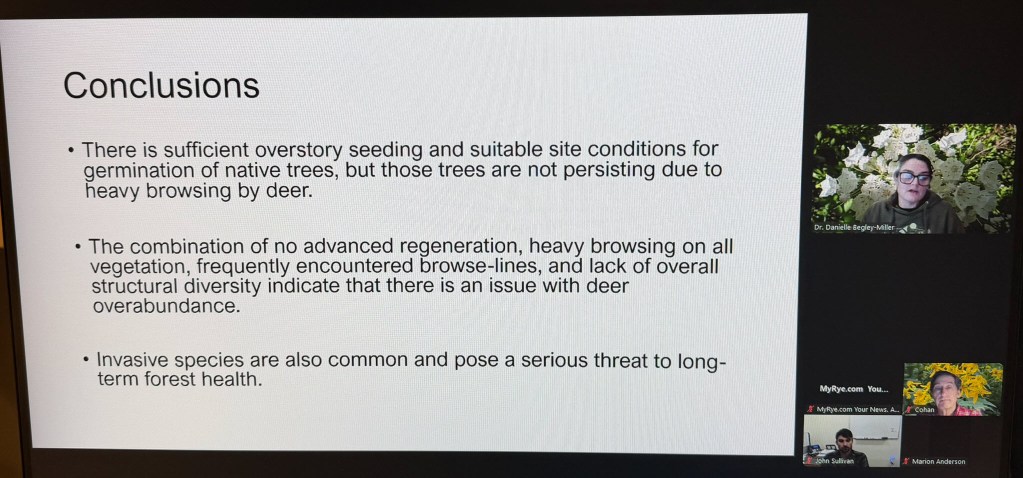
A new scientific study, commissioned by the City of Rye and its Deer Management Committee (DMC), confirms what many had already suspected: Rye has an overabundance of deer and the overabundance is having wide-ranging negative effects. This new evidence builds on top of a drone survey the DMC commissioned earlier in the year that found a deer population more than 10 times the scientific damage threshold.
“We have an issue with overabundant deer,” said Dr. Danielle Begley-Miller, PhD, CSE. of Forest Management Solutions, LLC, who presented her findings to a meeting of the Deer Management Committee on Thursday evening, October 29, 2026. “You have more deer on the landscape than what the forest can support without having negative effects on other species.”
Existing browsing pressure by deer is not sustainable when they’re overabundant. There are negative effects on other species. You start to lose the overall plant structural and biodiversity, which has cascading effects, obviously, on insects and birds and small mammals.”
The Good News
Begley-Miller reported that the mature forest canopy in Rye was very healthy and comprised of mostly native species. She also said the the seed bank and seedlings in their earliest stages, the 0- to 6-inch stage, are also in quite a healthy condition. This is an indication there are suitable conditions for germination of young native trees.

The Bad News
The problem is there is no middle layer in the forest. It has been overbrowsed (and eliminated) by deer.
Begley-Miller showed examples of minimal structural diversity present in the forest understory. The entire middle layer of the forest, from 6 inches up to about 6 feet, which is the zone in which deer browse, is effectively gone. Deer are selective eaters but even so the study found that species typically avoided by deer also showed signs of heavy repeated browsing (due to the limited availability of other more desirable species that are already gone from the forest).
“Advanced regeneration, so things over 16 inches in height… were absent,” said Begley-Miller. “There were no seedlings present over a foot and a half, which is kind of the minimum class we would say is is starting to be advanced regeneration.”
As the forested areas have canopy loss of mature trees, there will be no new trees that grow up to replace them because the deer pressure eliminates any trees that start to reach into that middle layer. The report also observed widespread invasive species.
Recommendations
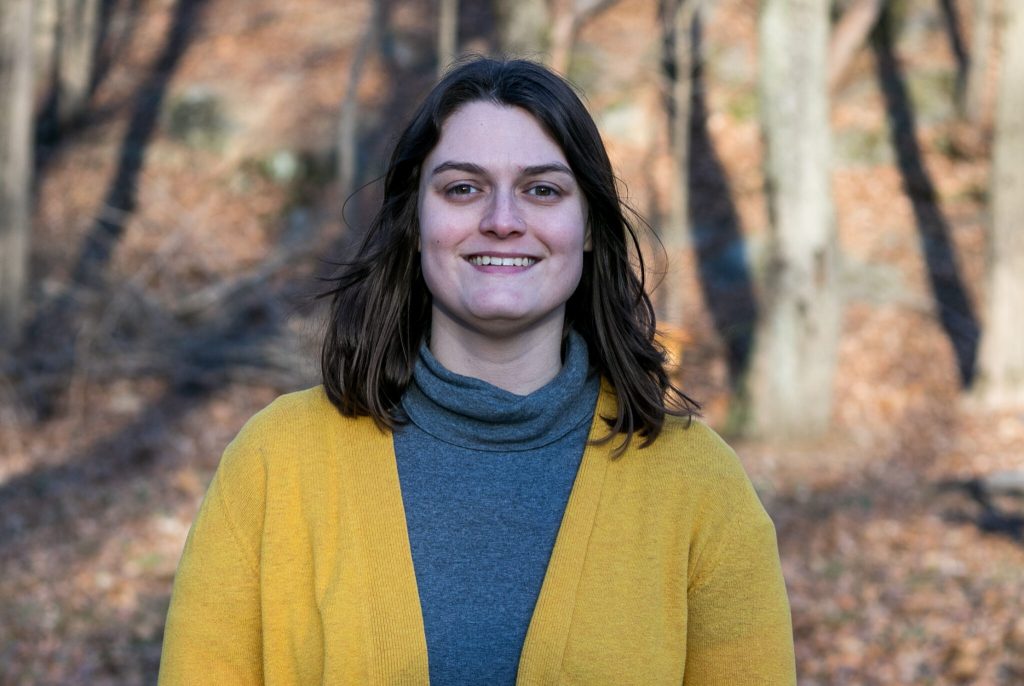
“Recommendations from the report is basically taking an integrated management approach,” Begley-Miller the committee. “So reducing deer browsing pressure and invasive species pressure is recommended. Both of these are issues, for long-term forest sustainability.”
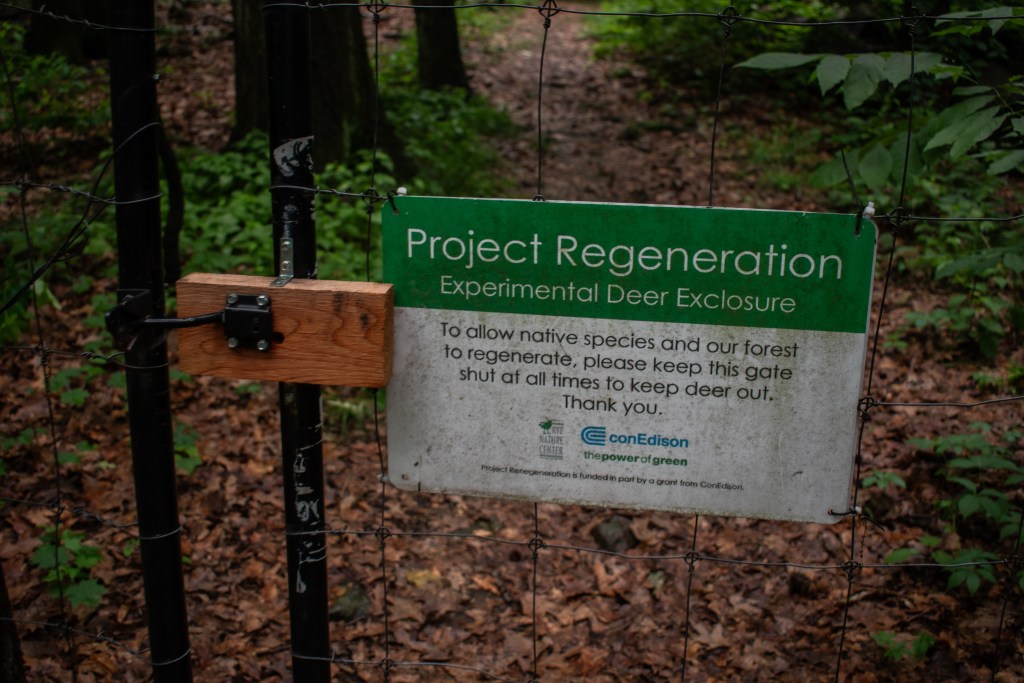
The high browsing pressure from deer has been going on for the last 10 to 20 years. Beyond her own report Begley-Miller referenced a study that the Rye Nature Center completed looking at the impact of its deer exclosure area: “The fact that Rye Nature Center has a deer exclosure and has seen drastic improvements in seedling recruitment tells you that it’s a deer issue.”
What’s Next?
The City of Rye’s Deer Management Committee will now have to come up with recommendations to put forward to the City Council and it will then be up to the City Council to vote on and support any recommendations.
Raising allowable fence heights to 8 ft. from the current 6 ft. will allow for the protection of specific, smaller enclosed areas. But any serious effort to mitigate deer overabundance will require some form of ongoing, sustained control of deer and monitoring of forest health.
The committee is expected to put forth its recommendations before the holidays.
Watch Begley-Miller’s presentation: