

Holding Court is a column by retired Rye City Court Judge Joe Latwin. Latwin retired from the court in December 2022 after thirteen years of service to the City. Latwin appeared on Episode 8 of Season 1 of our podcast MyRye.com Conversations with Doug French. Listen to learn more about Latwin and the Rye City Courts.
What topics do you want addressed by Judge Latwin? Tell us.
Easements
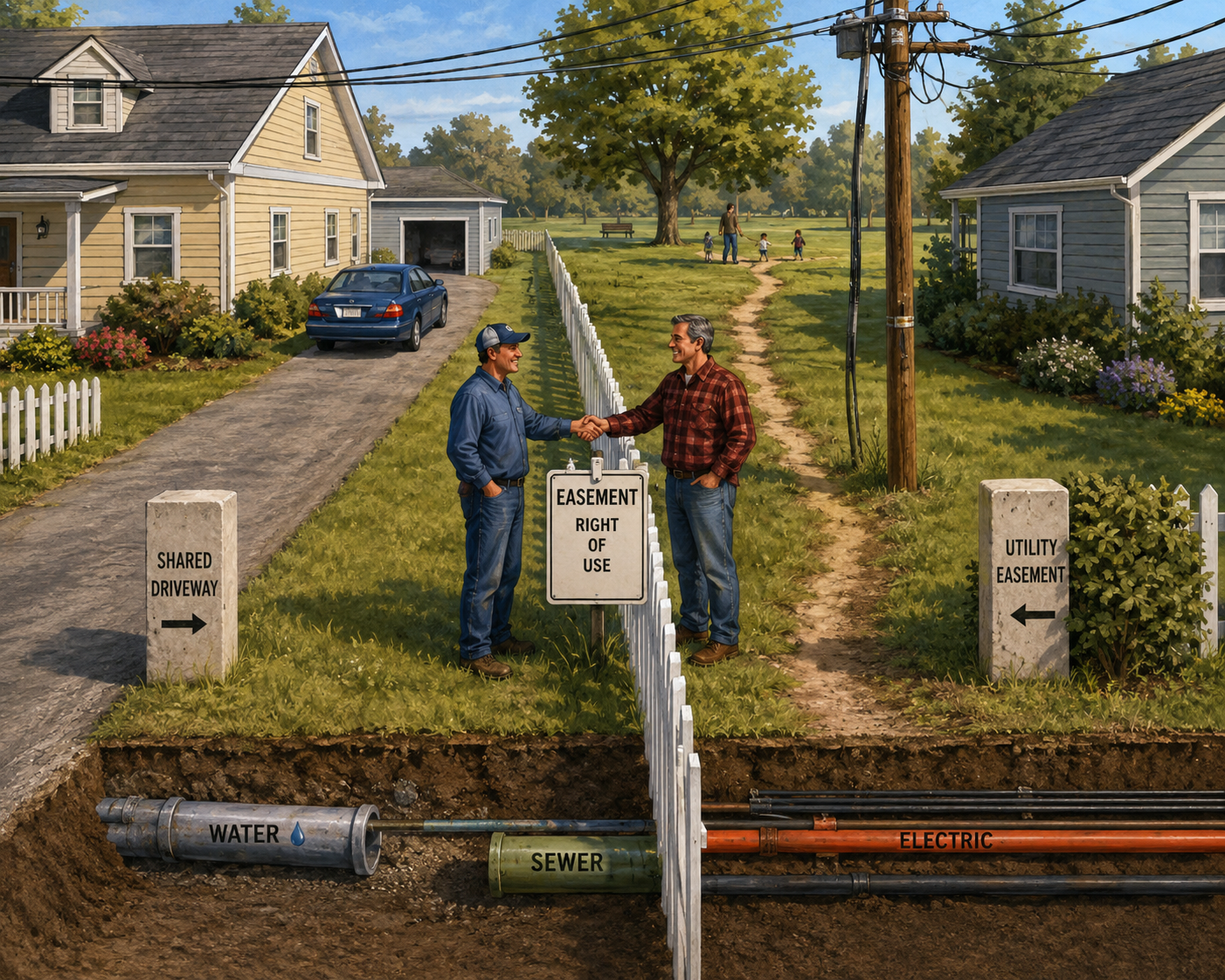
Get off my lawn! No, I have an easement. An easement is a right created by grant or by use where one person, not an owner, may exercise rights on or over the property of another. An easement is not an interest in land; it is a right distinct from ownership.
A granted easement is commonly used to permit utilities to have their wires, pipes, and lines pass over, through or under another’s property. This allows telephone and electric wires, water lines, drainage, and sewer lines to serve properties and access by the utility to maintain and repair their facilities. These easements may be in recorded deeds or separately filed easements. Also common are easements allowing neighbors to share jointly used facilities, such as driveways.
Easements by use are implied from circumstances and absent an express grant. The classic example is Rockefeller Center which each year closes its walkways within the complex to avoid people that otherwise daily traverse them from gaining an easement implied by their use. An implied easement may arise from a representation on a filed map, advertising, or oral representations that may stop the burdened property owner from denying the existence of the easement. An easement may also arise from consent. If you see someone walk across a property regularly, such as going to work or school, and you don’t object, you may be deemed to have consented to that usage creating an easement. This is why when a title company inspects property before insuring title on a sale or mortgage, it will look for worn pathways trod on the grass. Where an owner sells property where a road is called for as the boundary, the property owner may not deny the buyer use of the road to access the property, even if the road is then non-existent but merely proposed. When property is dedicated as a park and adjoining properties are later sold, the purchasers are entitled to have the land dedicated as a park left as a park for their use and enjoyment.
Where a property is sold and there is reference on the map to a road, the buyer will have an easement to the road necessary to allow the buyer to gain access to a public highway.
Another use of easements is where neighbors share structures or facilities. If there is a fence between properties, the adjoining owners may find it easier or more convenient to grant each other easements to allow the fencing to remain regardless of whether or not it precisely follows the property line. This will save the expense of surveys, litigation, or having to move the fence.
Similar to easements are licenses. A license is permission given by an owner authorizing another to enter or use property of the owner. A license does not imply any interest in land and may be established by oral testimony. A license is personal to the person authorized. An example may be where you tell your neighbor it is okay with you if they came on your property to trim their bushes.
To paraphrase Robert Frost (Mending Wall), good easements, make good neighbors. It’s better to work out a friendly easement than to sit in your rocking chair with a shotgun.