

RyeGPT People of Note is a series highlighting individuals who have a connection to the City of Rye. In the series we ask OpenAI’s ChatGPT to prepare a biography and explain the individual’s connection to Rye.
We welcome your feedback on this series – the use of artificial intelligence, the accuracy and usefulness of each article and your assistance in understanding other pertinent insights related to the person’s connection to Rye.
You can add comments at the bottom of each article or you can send feedback via Tips & Letters.
Political Life and Public Service
John Jay (1745–1829) was one of the most influential figures in early American history, shaping the nation through his work as a lawyer, diplomat, judge, and political thinker. Born in New York City on December 12, 1745, Jay was educated at King’s College (now Columbia University) and began practicing law in 1768. He quickly became a leader in the growing movement for American independence.
Jay served in both the First and Second Continental Congresses and, in 1778, was elected president of the Congress. He was later appointed Minister to Spain and then became one of the key negotiators of the 1783 Treaty of Paris, which officially ended the Revolutionary War. On his return to America, Jay played a central role in promoting the new U.S. Constitution. Alongside Alexander Hamilton and James Madison, he co-authored The Federalist Papers, five essays published in May 1788 that helped persuade states to ratify the Constitution.
In 1789, President George Washington appointed Jay the first Chief Justice of the United States. While on the bench, Jay helped establish the role and independence of the judiciary. He left the court in 1795 to serve as Governor of New York, a position he held until 1801. During his tenure, Jay signed a landmark law initiating the gradual abolition of slavery in New York—one of his most lasting achievements. He had long been an advocate for emancipation and had helped found the New York Manumission Society. In 1794, between his time on the Court and his governorship, Jay negotiated the Jay Treaty with Great Britain, an agreement that prevented renewed conflict and ensured ten years of peaceful trade.
After declining reappointment to the Supreme Court in 1801, Jay retired from public life and withdrew from the political spotlight, though his influence remained strong for years to come.
A Legacy in Rye, New York
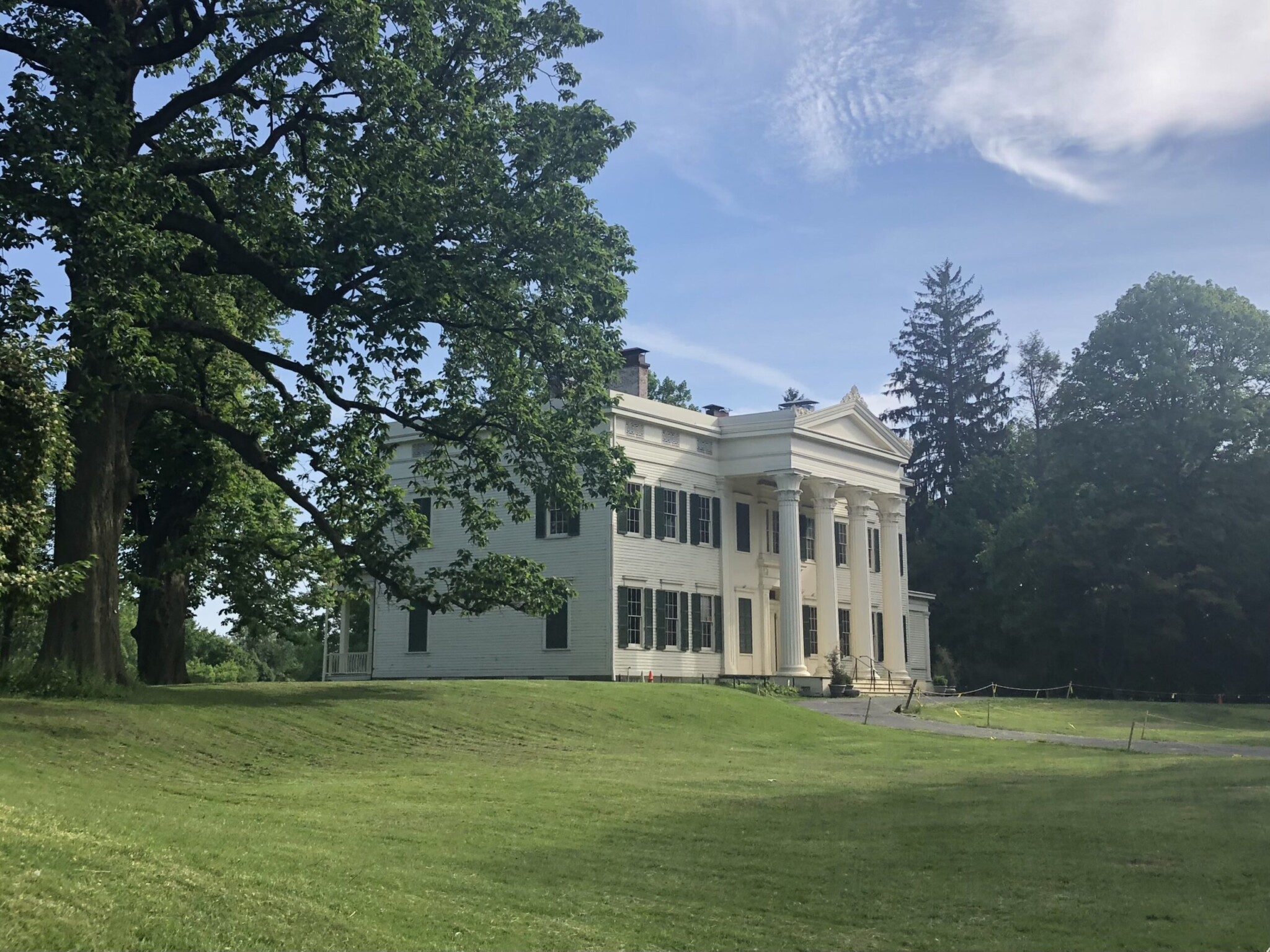
While John Jay’s public service took him from New York to Paris, London, and beyond, his roots ran deep in Rye, New York. Jay’s connection to Rye began through his maternal grandfather, Jacobus Van Cortlandt, who purchased land there in the early 1700s. The Jay family later inherited a portion of this land, which became known as the Jay Estate. It was used as a country retreat and summer residence by the family and would become a cherished refuge for Jay in his later years.
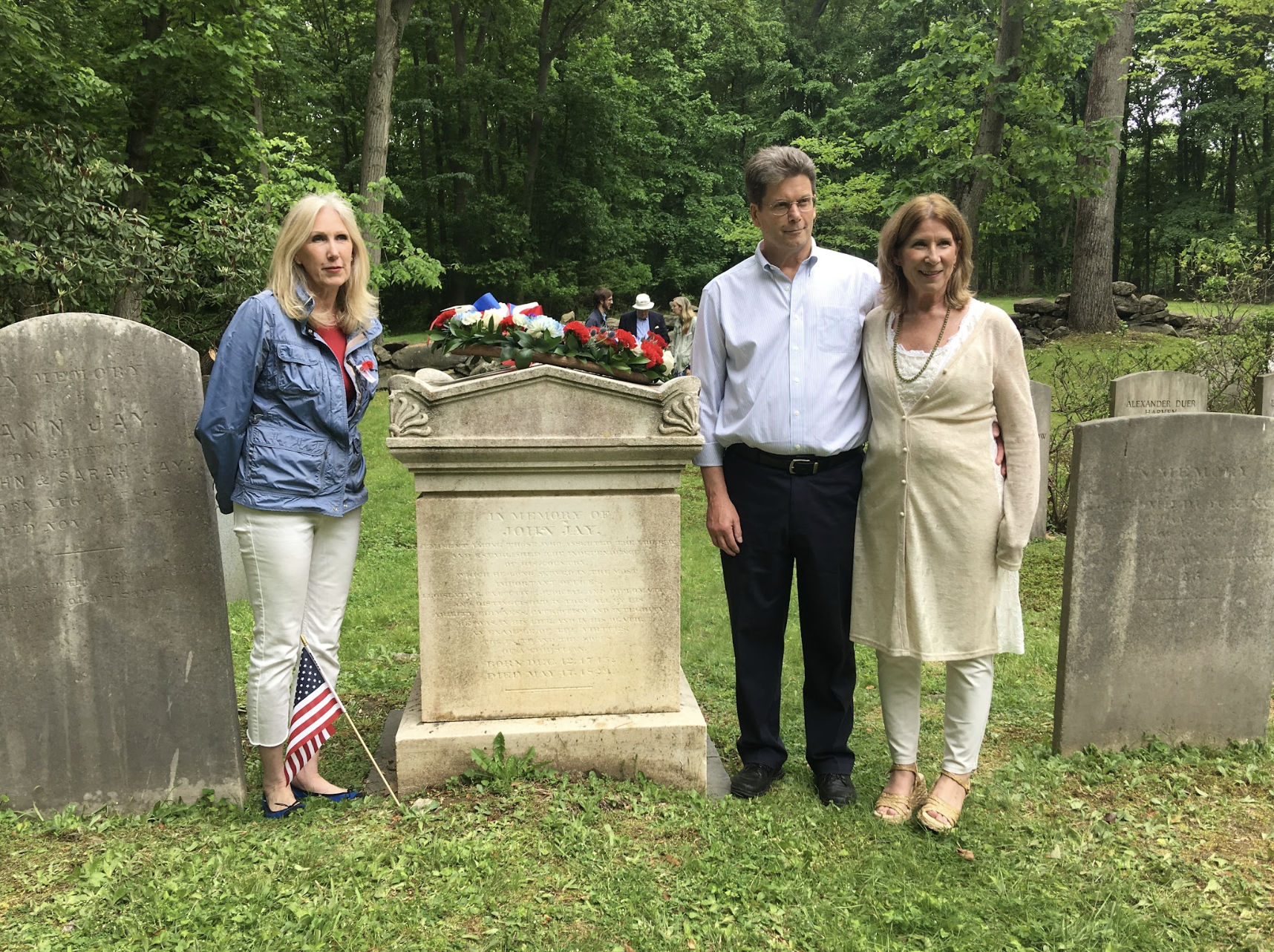
Though he never lived there year-round, the estate in Rye remained a constant in Jay’s life. After his retirement, Jay spent increasing time at the estate, choosing to live a quieter life removed from politics. He died nearby in Bedford, New York, on May 17, 1829, and was buried in the Jay family cemetery on the grounds of the estate in Rye.
The Jay Estate remains a vital link to American history. It is now preserved by the Jay Heritage Center, which oversees the historic home and grounds. The estate is listed on the National Register of Historic Places and is a key site on Westchester County’s African American Heritage Trail. The Jay Heritage Center offers educational programs on Jay’s contributions to civil rights, environmental preservation, and the early American republic.
The Jay Cemetery is a three acre private, family cemetery near Jay Heritage Center and nestled within the Rye Marshlands Conservancy. It is not open to public visitation but the family typically opens the grounds once a year for visitors. Only the descendants of John Jay and their spouses may be buried there.