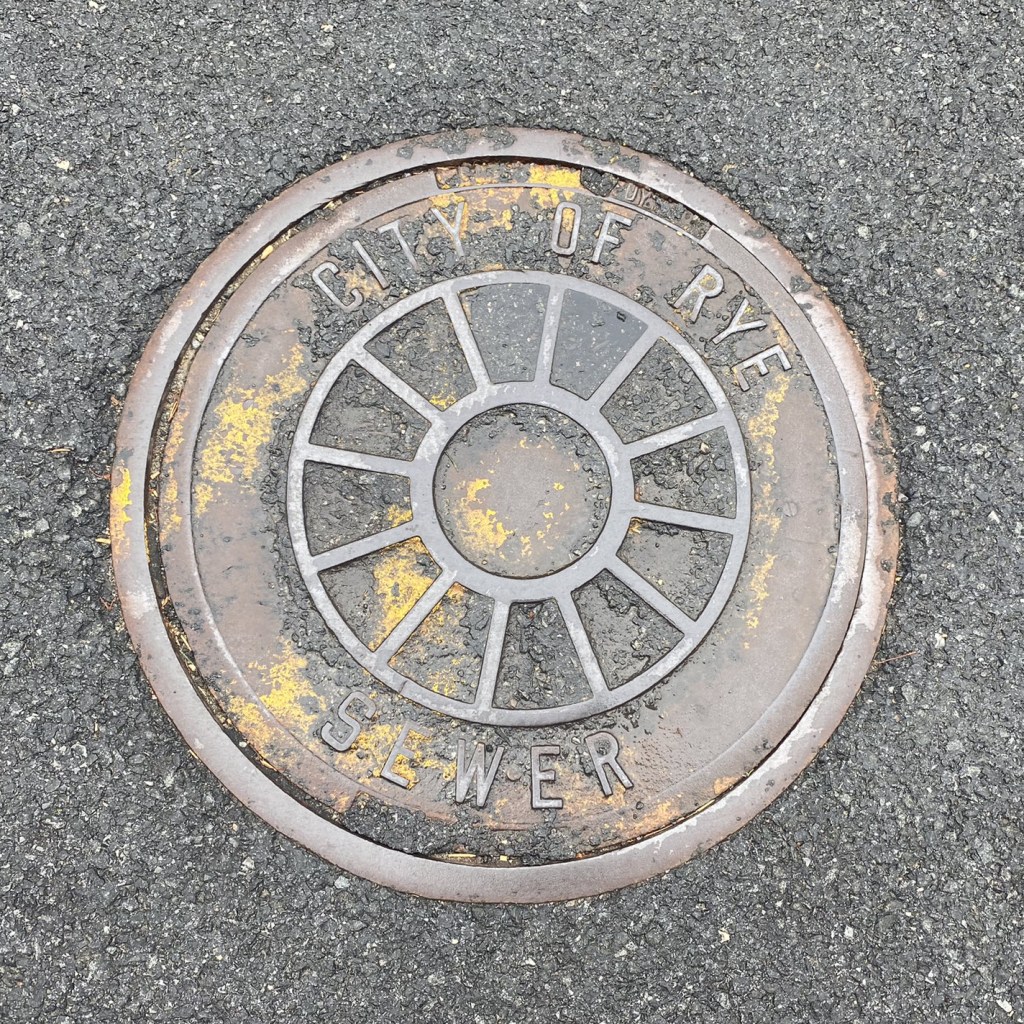

Westchester County recently reached a settlement with local environmental group Save the Sound (STS), ending a nearly decade long Clean Water Act lawsuit. The cases against the County, Rye and other Sound Shore communities originated back in 2015 due to the frequency and magnitude of raw sewage overflows throughout the County, degrading the water quality of Long Island Sound and the waterways that feed into it.
At the same time the County has reached a settlement, the City of Rye is battling the same group in regards to the necessary compliance actions in relation to its own 2021 settlement with STS. Documents obtained by MyRye.com from a Freedom of Information Act request show the City and STS battling with each other in regards to what is needed for proper ongoing monitoring and compliance.
In the wake of the 2021 settlement with STS, the City of Rye has spent in the neighborhood of $30 million to upgrade its sewer lines to comply with Federal Clean Water Act standards. The City completed these sewer repairs in January, just past its end of year deadline.
A March 31st letter from STS to the City calls out “clear errors and inadequacies of the City’s sewer management program documentation, as we have repeatedly explained in written memos, meetings with you, meetings with you and your consultants…Rye expresses frustration over the repeated ‘back and forth.’ The feeling is mutual.”
The letter continues “Rye has repeatedly missed US-reviewed and Court-ordered deadlines in the four years since Judge Seibel first entered the Stipulated Order.”
The Problem
The cases against Rye and others originated when Save the Sound became aware through local pollution watchdog reports and alerts from New York’s Sewage Pollution Right to Know Act of the frequency and magnitude of raw sewage overflows throughout Westchester County, degrading the water quality of Long Island Sound and local waterways such as the Blind Brook and Beaver Swamp Brook.
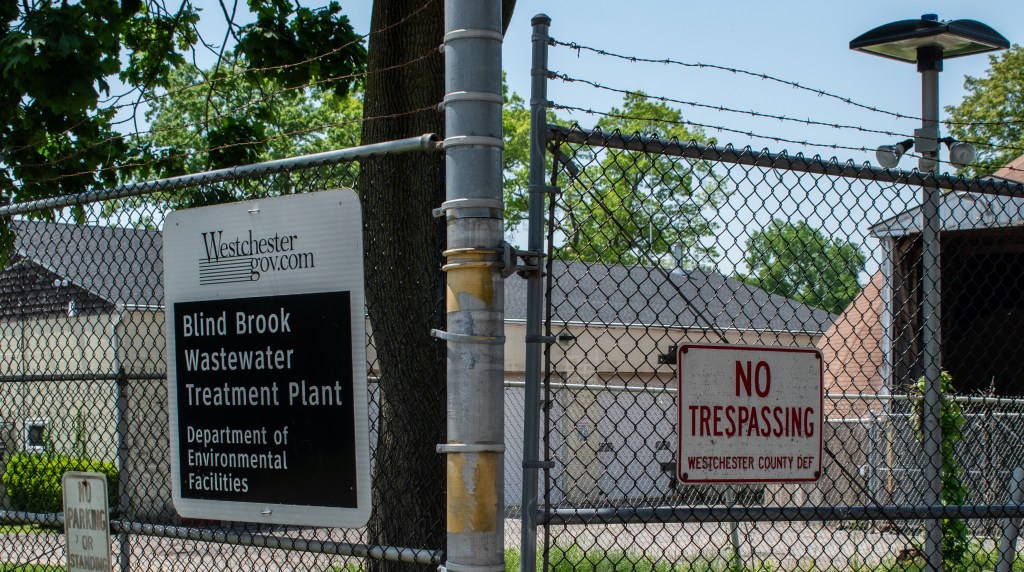
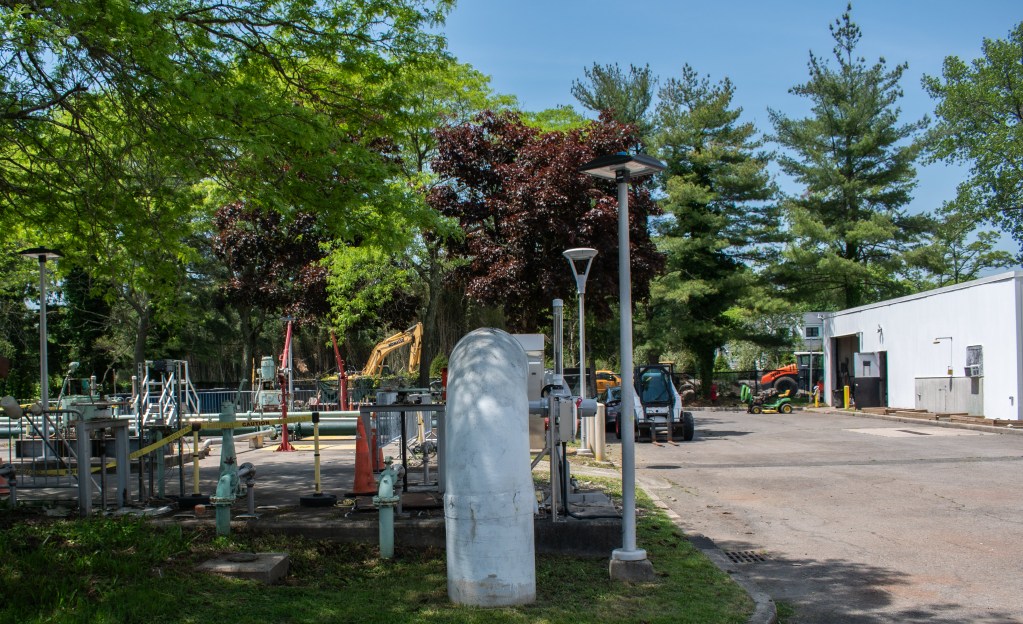
Much of that pollution resulted from poorly maintained and deteriorating municipal sanitary sewer pipes carrying wastewater from homes and businesses to County-owned treatment facilities, where pollutants are supposed to be removed so that the water is safe to be discharged into the environment. The sewers in Rye empty to the Mamaroneck Wastewater Treatment Plant in Harbor Island Park or Blind Brook Treatment Plant in Disbrow Park.
The aging and unmaintained municipal wastewater infrastructure makes the system vulnerable to stormwater overwhelming the leaky sewer pipes during rain events, which have grown more frequent and severe over the years due to climate change. The increased volume of water in the pipes causes sanitary sewage overflows and discharges of untreated sewage into the Sound both from the pipes themselves and from the treatment plants that can’t handle that volume of water. This sewage pollution contributes to periodic beach closures, the closure of shellfish beds, depletion of certain fish stocks, fish consumption advisories, and restrictions placed on certain recreational activities.
Legal Actions Starting in 2015
Save the Sound filed a formal legal complaint in 2015, claiming that Westchester County and the 11 municipalities were discharging partially treated sewage in violation of the Clean Water Act, causing a public nuisance, and failing to enforce the County Sewer Act to limit illegal levels of flow from municipalities to the treatment plants. These legal actions resulted in the recent settlement with Westchester County, with Rye in 2021 and with other Sound Shore communities as early as 2017.
County Settlement
A final settlement between the County and STS was approved by the County Board of Legislators on June 30 and has been submitted to the federal district court and to the U.S. Department of Justice and Environmental Protection Agency for review. The final settlement is expected to become effective later this summer. The agreement includes a commitment by the County to take “reasonable measures” to enforce the County Sewer Act within four sanitary sewer districts: New Rochelle, Mamaroneck, Blind Brook, and Port Chester. The County will also conduct a round of flow monitoring no earlier than 2037 to determine compliance with the Flow Limit within the four districts, assist local municipal efforts and spend $475,000 on EBPs such as green infrastructure over the next two years.
Rye’s Compliance, Monitoring and EBP Payments
Save the Sound has been continuing to monitor and enforce the implementation of repairs and the management of sewer systems across the Sound Shore. Under the settlement, the City of Rye needs to have a Capacity Management Operations & Maintenance (CMOM) plan for its sewer lines. Letters as recently as late June show the City and STS at odds over the adequacy of the City’s monitoring and compliance plans.
STS also maintains the City missed various deadlines under the settlement, necessitating payments into an Environmental Benefit Fund (EBF) to pay for local mitigation projects including work at the Rye Nature Center and Rye recreation. EBFs are essentially a form of penalty that allows funds to be spent on local projects. Any more serious formal penalties would actually be paid to the federal treasury with no local benefit.
Rye has already paid $440,000 in EBP payments under the settlement. In current correspondence as of May 6, Save the Sound was stating an additional $173,500 in EBP payments are accrued and due from Rye because of non-compliance.
City officials don’t dispute what they say were relatively minor delays in the wake of Ida and missing a December deadline but finishing sewer work this January. But they maintain the missed deadlines don’t warrant EBF payments.
Sources tell MyRye.com an agreement with STS on the City’s monitoring and compliance plans will come soon but for now the details on the final agreed commitments and the related EBF payments remain elusive.