
To MyRye.com:
In reference to MyRye.com August 15, 2025 article on “Birds of Rye: Green Heron (Butorides virescens)” by Amelie Coghlan. Thank you for the very informative and lively article.
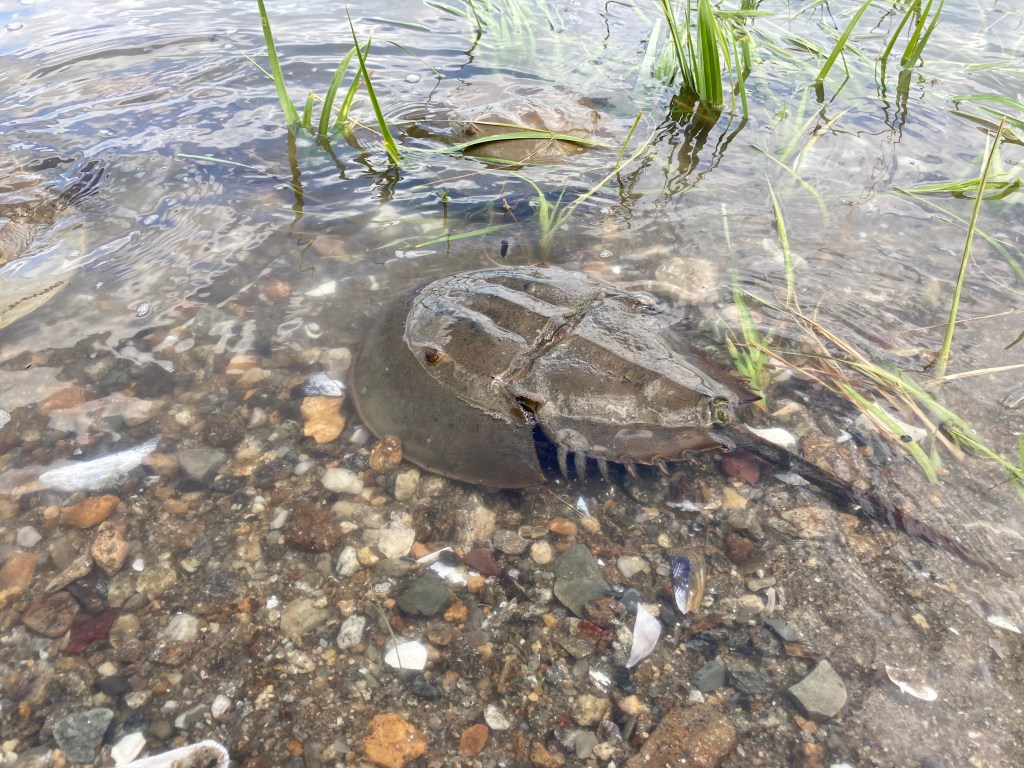
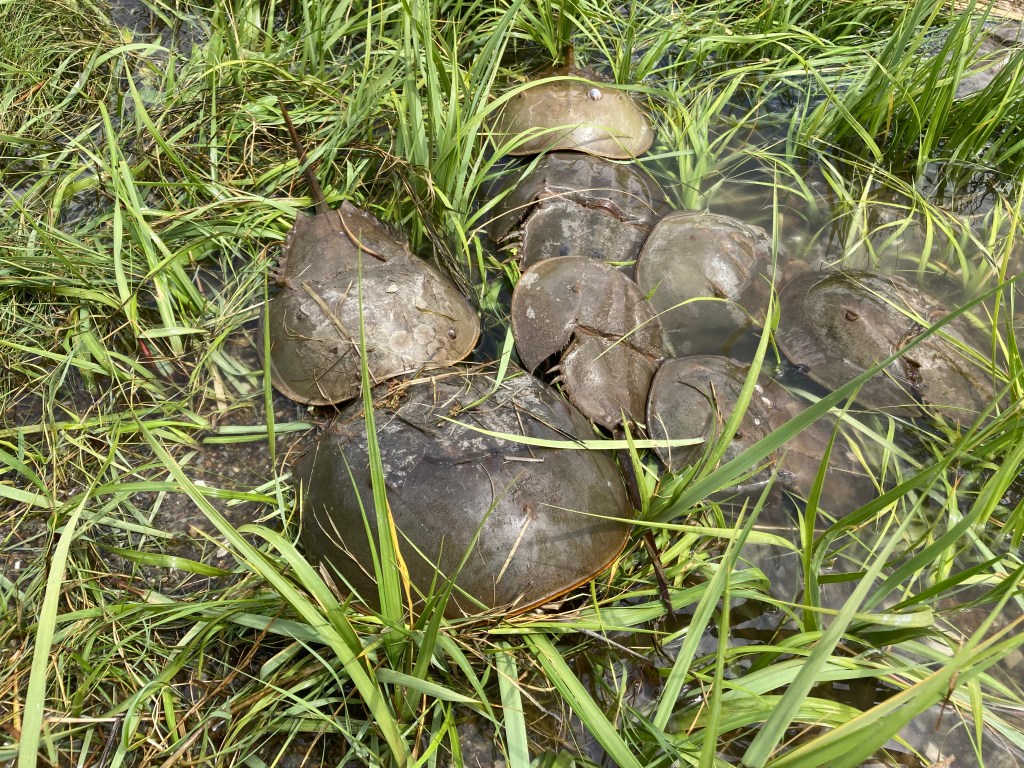
As the president of Friends of Marshlands, I would also like to point out that the horseshoe crabs that visit the shorelines of Marshlands and Edith Read Sanctuary every summer provide a vital, protein-rich food source for the visiting summer birds. Each female horseshoe crab lays about 90,000 turquoise blue eggs on a high tide usually with the full moon in summer, an abundance of riches for these avian migrants.
But horseshoe crabs everywhere are in decline, not only due to habitat loss, but also to the increased practice of extracting their milky-blue blood that contains limulus amoebocyte lysate, a substance that detects bacterial contaminants in vaccines, injectable drugs and other pharmaceuticals, saving people from possible deadly infections. For example, their blood was used to test for any harmful contamination in COVID-19 vaccine production. Once milked, these horseshoe crabs are weakened and do not have much chance of survival when they are returned to the ocean.
Lately, however, pharmaceutical research has discovered a synthetic alternative that would reduce the need to bleed horseshoe crabs by 90 percent. This transition is a critical step in turning the tide for the horseshoe crabs and the migratory birds of Rye that rely upon them.
Clare Francis
Also see: Giving Rye: Meet the Friends of Marshlands